
 Svenska
 Deutsch



Cart
Your cart is empty, but doesn't have to be..
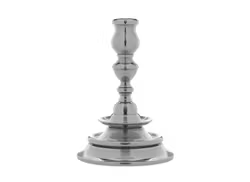
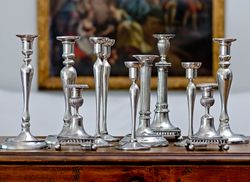
Övraby, candlestick in pewter, from Munka Tenn. A classic baroque candlestick in trumpet shape. The base has a diameter of 9.5 cm and the height of the candlestick is 14.5 cm. The weight is 260 grams. The candlesticks are made in Sweden by our skilled craftsmen.
Övraby Monastery, located in the scenic region of Skåne, is a place with a rich and fascinating history. The monastery, which was founded in the Middle Ages, was a significant religious and cultural institution in the region. Here is a closer look at its history and significance.
The founding of the monastery
Övraby Monastery was founded in the 12th century by Benedictine monks, one of the oldest and most influential monastic orders in Europe. The Benedictines were known for their commitment to prayer, work and study, and their monasteries often became centers of learning and culture. Övraby Monastery was no exception and quickly developed into an important religious and cultural institution in Skåne.
During the Middle Ages, Övraby Monastery played a central role in the religious life of the region. The monks at the monastery were engaged in agriculture, gardening and viticulture, which made the monastery self-sufficient and financially stable. They also devoted themselves to teaching and copying manuscripts, which helped preserve and spread knowledge during a time when books were rare and precious.
The monastery became a place of spiritual retreat and reflection, where both nobility and commoners could come to seek advice and comfort. Its church, built in the Romanesque style, was renowned for its beauty and impressive architecture.
The Impact of the Reformation
In the 16th century, during the Reformation, the fate of Övraby Monastery changed dramatically. Sweden switched from Catholicism to Protestantism, and many monasteries were closed or converted. Övraby Monastery was also affected by these changes, and much of its property was confiscated by the crown.
The monastery's decline and rediscovery
After the Reformation, Övraby Monastery gradually fell into oblivion and decay. The buildings were used as quarries, and many of the original structures were destroyed or disappeared. In the 19th century, interest in medieval history and architecture began to revive, and the ruins of Övraby Monastery became the subject of archaeological excavations and restoration work.
Modern Times
Today, Övraby Monastery is an important historical site that attracts visitors from near and far. The ruins offer a glimpse of the monastery's former glory and are a reminder of its importance during the Middle Ages. The site is sometimes used for cultural events, concerts and lectures, which helps to keep its history alive.
Your cart is empty, but doesn't have to be..