
 Svenska
 Deutsch


Cart
Your cart is empty, but doesn't have to be..
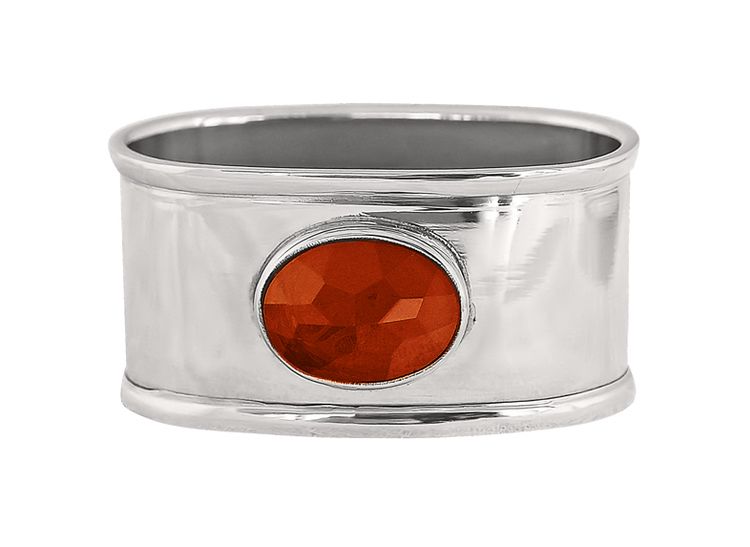
Napkin ring with amber-colored cut "citrine". The napkin ring has the dimensions 6cm in length, 3 cm in height and xx cm in width, with a weight of approximately 50 grams.
It takes many skilled craftsmen to produce this napkin ring. First, the tin is mined and refined into raw tin in mines in Asia and South America. Historically, a significant amount of tin was mined in England from Roman times onwards, particularly in the well-known mines of Cornwall and Devon.
The "citrine" is then mined and processed by cutting, grinding and polishing.
Our napkin rings are cast, polished and set with stones by hand by skilled craftsmen in Europe.
Citrine is a semi-precious stone belonging to the quartz family. It is known for its yellow to orange-brown color, which can vary from pale yellow to almost reddish brown. Citrine forms in igneous and metamorphic rocks and is a variety of quartz. Its color comes from small amounts of iron impurities in the crystal. Natural citrine is relatively rare and is found mainly in Brazil, but also in Russia, France and Madagascar.
Much of the citrine on the market is heat-treated amethyst or smoky quartz. Heating these stones changes their color to the yellow-orange hue that is typical of citrine. That is why we use quotation marks around "citrine" in the title.
It can be difficult to distinguish between natural and treated citrine without special equipment, but treated citrine often has a darker, more reddish color.
Citrine is known as the "success stone" or "merchant's stone" because it is believed to attract wealth and success. It symbolizes joy, abundance and positive energy. In crystal healing, citrine is believed to have properties that promote mental clarity, self-confidence and creativity. It is also believed to balance emotions and reduce stress and negative energies.
Your cart is empty, but doesn't have to be..