
 Svenska
 Deutsch




Cart
Your cart is empty, but doesn't have to be..
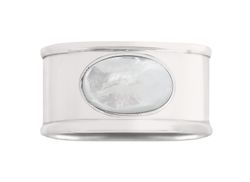
The napkin ring with malachite setting has dimensions of 6 cm in width, 3.5 cm in depth and 3 cm in height and weighs approximately 50 grams.
It takes many skilled craftsmen to produce this napkin ring. First, the tin is mined and refined into raw tin in mines in Asia and South America. Historically, a significant amount of tin was mined in England from Roman times onwards, particularly in the well-known mines in Cornwall and Devon. Our napkin rings are cast, polished and set with stones by hand by skilled craftsmen in Europe.
Malachite has been a sought-after gemstone in many cultures due to its intense green color and characteristic wavy patterns. The stone is mined today in several places, but the most famous deposits are found in Congo, Zambia, Russia and Australia.
Once the stone is quarried and has left the mines, it is cut to the correct size. This process, which includes cutting, grinding and polishing, is carried out for our stones in India.
The napkin ring was designed by Fredrik Strömblad and is marked with the Munka trademark.
If you are going to give it as a gift or want to share some mineral knowledge and history with your guests, read the following:
Origin and characteristics
Malachite is a mineral with a fascinating and long history, known for its vibrant green color and characteristic wavy pattern. It is composed mainly of copper carbonate and is often associated with copper deposits, which explains its rich, green color. Malachite is a relatively soft stone, making it suitable for a variety of crafts, including sculpting and inlaying. The largest deposits of malachite are found in Russia, Congo, Zambia and Australia.
Historical use
The history of malachite dates back to ancient times. In ancient Egypt, malachite was widely used both as an ornamental stone and in powdered form as eye makeup. The Egyptians also believed that malachite could protect the wearer from evil forces and promote health. It was also widely used in the 4th century BC as a decorative element in jewels and amulets.
During antiquity and the Middle Ages, the use of malachite spread throughout Europe and the Middle East. It was particularly popular during the Russian Tsarist Empire in the 19th century, where large quantities of malachite were mined in the Ural Mountains. Russia became known for its extravagantly large pieces of malachite, using the stone in everything from small jewels to large architectural projects. One of the most impressive examples is the Malachite Room in the Winter Palace in St. Petersburg, where large panels and columns were covered with malachite.
Symbolism and cultural significance
Malachite has often been associated with transformation and inner clarity. It has been used in various cultural and spiritual contexts to promote emotional healing and understanding. Due to its connections to copper and its ability to occur near copper mines, it has also had a symbolic connection to trade and industrial growth.
Modern use
Today, malachite remains popular in jewelry making due to its distinctive color and pattern. It is also used in esoteric contexts as a stone of healing and protection. Its ability to be both beautiful and symbolic keeps it a favorite among gemstones worldwide.
Malachite in Russian fashion from the early 19th century
Malachite has a particularly interesting and rich history in Russia, where it was highly valued both for its beauty and for its use in grand architecture and art. From the 19th century onwards, malachite became a symbol of Russian national pride and wealth, largely due to the large deposits in the Ural Mountains.
Deposits in the Ural Mountains
The Ural Mountains proved to be a rich source of malachite in the 19th century, leading Russia to become one of the leading producers of this stone. The malachite from the Urals was known for its exceptional quality and the large blocks that were quarried there. These blocks allowed artisans to create larger and more impressive works of art and architectural elements than had previously been possible.
Use in Russian architecture and art
In Russia, malachite was used primarily in decorative and luxurious contexts. Perhaps the most famous example of malachite's use in Russia is the Malachite Room in the Winter Palace in St. Petersburg. This room is adorned with large panels of malachite and features columns and other decorative elements clad in this impressive green stone. It originally served as a reception room for tsarinas and is a shining example of malachite's importance in Russian decorative arts.
Crafts
In addition to its architectural uses, malachite also became popular for the manufacture of luxurious art objects such as chests of drawers, clocks, vases and jewelry. Artisans utilized malachite's patterns to highlight its natural beauty, often in combination with other precious materials such as gold and gemstones.
Symbolic meaning
In Russia, malachite symbolized not only luxury and wealth, but also technical and artistic skill. The use of malachite in large-scale and public buildings and in fine arts and crafts reflected Russia's ambitions and pride during the Tsarist era.
Modern Russia
Although malachite is no longer mined in Russia on the same scale as in the 19th century, the legacy of its use remains. Objects and buildings containing malachite are preserved as cultural treasures and continue to attract visitors both nationally and internationally. Malachite is still considered an important part of Russia's cultural and historical identity.
Your cart is empty, but doesn't have to be..